
Why Low-Impact Training Is Outperforming High-Intensity Burnout
(And When Each Approach Actually Makes Sense)

For a long time, fitness culture leaned heavily in one direction:
Push harder. Move faster. Go all out.
And for a lot of athletes—especially in OCR, tactical, and hybrid spaces—that approach still plays a huge role. Hard training builds capacity, toughness, and the ability to perform when it counts.
That hasn’t changed.
What has changed is how people are structuring the rest of their training around it.
More athletes—and honestly, more people in general—are starting to mix in longer, lower-impact work. Not as a replacement for intensity, but as a way to support it and make their routine something they can stick with.
Because at some point, everyone runs into the same question:
How do you keep progressing without constantly running yourself into the ground?
The Real Issue Isn’t Intensity—It’s How Often You Use It
There’s nothing wrong with hard training. Most people reading this probably enjoy it—or at least respect what it builds.
But when every session starts to feel like a max-effort day, things can get uneven.
You might notice:
- fatigue sticking around longer than it used to
- small aches that don’t fully go away
- skipping workouts because your body just isn’t ready
For athletes, that can mean stalled performance.
For everyone else, it usually just means falling off track.
It’s not always dramatic. It’s usually gradual—and it almost always shows up as inconsistency.
This isn’t just a training observation—it’s something being reinforced across performance nutrition and athlete development as well:

"Low-impact training has been a cornerstone for me over the past 14 years of competing—and especially through pregnancy and postpartum. As a performance dietitian, I see so many athletes constantly push high-intensity work, only to end up burnt out, under-fueled, sick, or injured. All of that takes time to recover from and often leads to a frustrating cycle with performance. Just like with nutrition, the best training plan is the one you can sustain long-term—so don’t overlook the value of low-intensity work."
— Corinna Coffin, MS, RD, CSSD
The RD Athlete
Where High-Intensity Training Still Matters
There are clear situations where intensity should be front and center.
If you’re trying to:
- improve race pace
- build power or speed
- prepare for an event
- push your limits in a measurable way
Then hard efforts matter. That’s where you build your top end.
And even if you’re not competing, intensity can still play a role—challenging yourself, improving fitness, and breaking out of a plateau.
There’s no need to remove it. The goal is just to use it where it counts.
Where Lower-Impact Training Starts to Play a Bigger Role
At the same time, not every session needs to push that edge.
If your focus is more on:
- building endurance over longer distances
- increasing how often you can move each week
- staying consistent month after month
- avoiding the stop-and-start cycle of burnout
Then longer, steadier efforts tend to fit better.
That might be hiking, rucking, walking with purpose, or just spending more time moving at a controlled pace.
For athletes, this builds a base that supports harder efforts.
For everyone else, it makes fitness feel more manageable—and more repeatable.
What This Kind of Training Actually Looks Like
Low-impact training doesn’t mean you’re taking it easy. It just means you’re managing effort so you can keep showing up.
That could be:
- a long hike with elevation
- a steady ruck with moderate weight
- an extended incline session
- a longer walk where you’re moving with intent
You’re still putting in work. You’re still building capacity.
But instead of finishing completely drained, you’re finishing in a place where you can come back and do it again tomorrow.
Why People Are Combining Both
More and more, training isn’t about choosing one style—it’s about combining them.
Hard days are still part of the equation. They just aren’t every day.
Instead, things start to balance out:
- some days push performance
- some days build endurance
- some days are just about staying consistent
For athletes, that combination supports better long-term performance.
For non-athletes, it often means fewer skipped weeks and a routine that actually sticks.

The Hidden Demands of “Easier” Work
Longer, steady sessions don’t always feel intense—but they add up in a different way.
Over time, you’re dealing with:
- thousands of steps
- continuous load on your feet and calves
- gradual buildup of heat and moisture
- small friction points that don’t go away
For athletes, this is where fatigue quietly accumulates.
For everyone else, this is often where discomfort starts to creep in.
It’s not explosive—but it’s persistent.
Why Gear Matters More With Consistency
When you’re only training occasionally, you can get away with gear that’s just okay.
When you’re moving most days of the week, that changes.
Small issues become noticeable:
- a sock that shifts becomes friction
- moisture that lingers becomes irritation
- a poor fit becomes something you think about constantly
The more consistent you are, the more your gear needs to be reliable.
For athletes, that’s about performance.
For everyone else, it’s often the difference between sticking with it—or not.
Where Compression Fits In
Compression isn’t something everyone uses, and it’s not necessary for every workout.
But during longer sessions—or when you’re training more frequently—it can help with how things feel over time.
Some people notice:
- less fatigue building in the calves
- a more stable feel over uneven terrain
- fewer distractions from socks shifting or bunching
That last one tends to matter more than expected.
When your socks stay in place, there’s less movement inside your shoe. Over time, that can help reduce friction and make longer efforts feel smoother.
For athletes, that can mean more consistent output.
For others, it can simply mean finishing a session more comfortably.
Pro Tips for Training More Frequently
Match your setup to your longer days
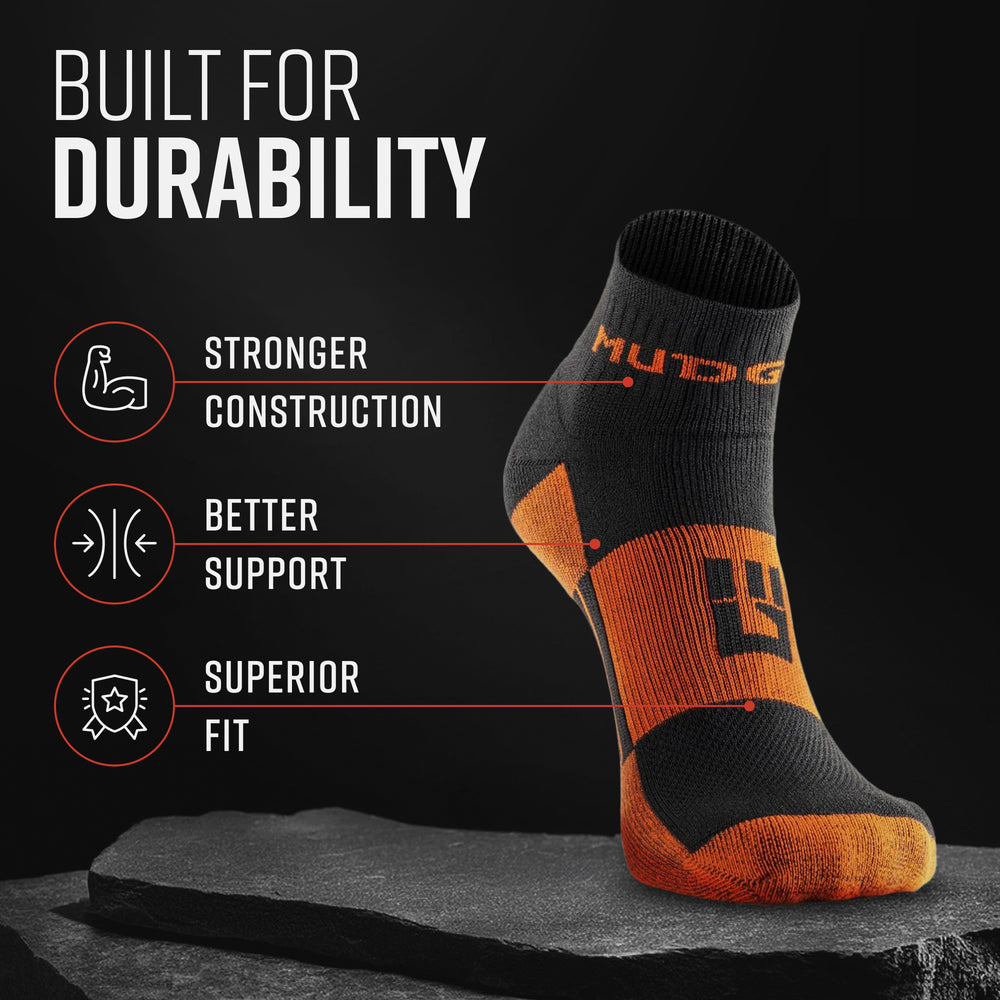
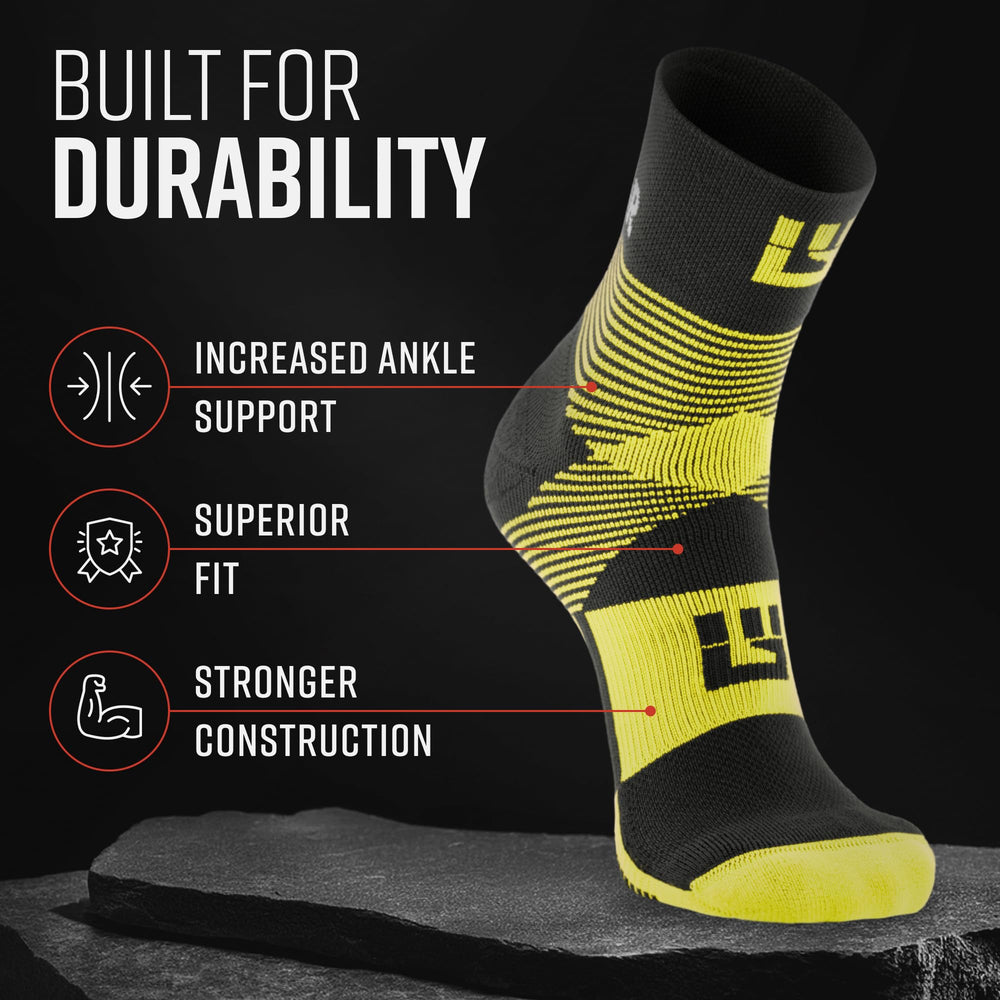
For longer hikes, rucks, or extended time on your feet, taller socks—especially compression styles—can help everything stay in place and feel more consistent as fatigue sets in.
Stay ahead of moisture
If you’re moving for long periods or multiple days in a row, moisture becomes a bigger factor. Materials that wick and dry quickly can help prevent small issues from building up.
Treat gear like part of your routine
If you’re active most days, rotating your socks and apparel helps maintain comfort and keeps your setup consistent over time.
Use compression where it makes sense
Longer efforts, back-to-back days, or anything with sustained time on your feet are where compression socks tend to show up the most. Shorter sessions may not feel much different.

Expect imperfect conditions
If you’re outside regularly, conditions won’t always be ideal. Gear that holds up in heat, mud, and rain helps keep your routine from getting disrupted.
The Goal: Keep Showing Up
At a certain point, training becomes less about any one workout and more about the pattern over time.
Some days are harder. Some are longer. Some are just about getting out and moving.
What matters is that you can keep doing it.
For athletes, that’s how performance builds.
For everyone else, that’s how habits stick.
Final Takeaway
High-intensity training still has its place. It’s how you challenge yourself and build performance.
But it doesn’t have to carry everything.
Adding in lower-impact work gives you another way to build endurance, manage fatigue, and stay consistent—whether you’re training for something specific or just trying to stay active.
And once you start putting in more days and more consistency with low-impact efforts, you’ll notice:
The small details start to matter more.
Because the best routine isn’t just about what you can push through—
It’s about what you can keep doing.





Leave a comment